The ERUA Biennale Arts & Edges is conceived as a genuine space of encounter between artistic creation, academic inquiry, local knowledge, and public participation. The thematic constellation of Arts & Edges lies at the heart of the ERUA transformative vision and its innovation dynamic, insofar as it brings together collective investigation, inventiveness, experimentation, interdisciplinarity, and societal engagement in order to explore urgent questions and contemporary vital challenges that transcend disciplinary and institutional boundaries.
More than a single event, the Biennale aspires to function as an ongoing field of distributed dialogue and practice through which diverse actors, experiences and forms of knowledge intersect and resonate with one another, comprehensively contributing to the development of the Knowledge and Innovation Community of Creative and Artistic Engagement (CIKC3). Thus, it supports forms of cooperation, sustained relationships and longer-term connections that extend beyond the temporal limits of each edition. In this sense, the Biennale constitutes a living platform for the incubation of ideas, evolving forms of participation and new research trajectories where artistic, educational, cultural, and civic activities may intersect through performative, participatory, and inclusive formats. On this basis, the Biennale encourages original approaches and unexpected affinities that challenge inherited assumptions, conventional frameworks, and various forms of stereotyping.
The Online Biennale Arts & Edges 2025 marked the first stage of this broader initiative and opened the path toward the in-person Biennale Arts & Edges 2027. It successfully created joint areas for reflection on the multifaceted relationship between the arts and the layered concept of the edge. It has also made visible the collaborative potential embedded within the ERUA alliance when academic institutions, socio-cultural actors, artists, cultural associations, and local communities work together around pressing and often sensitive concerns.
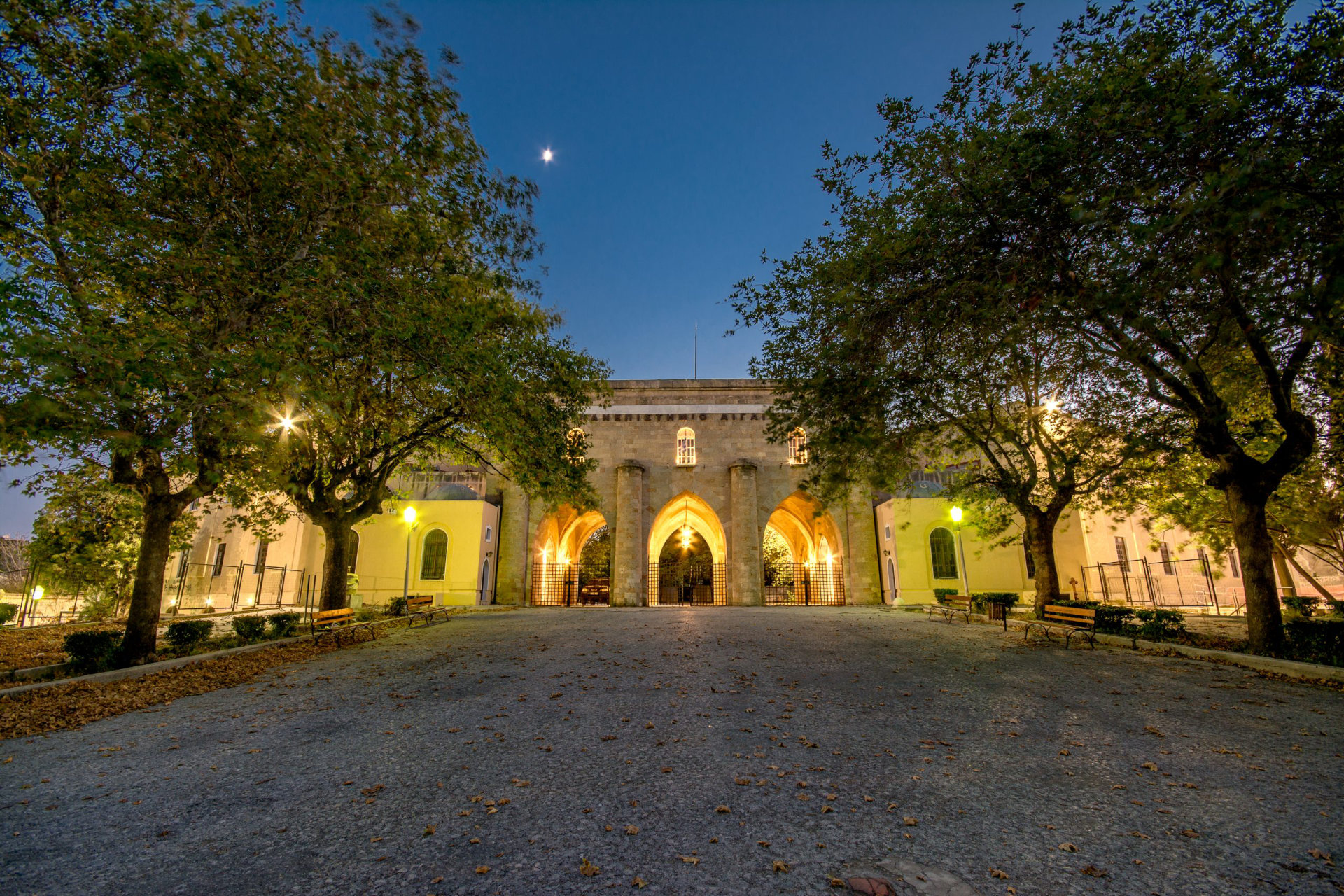
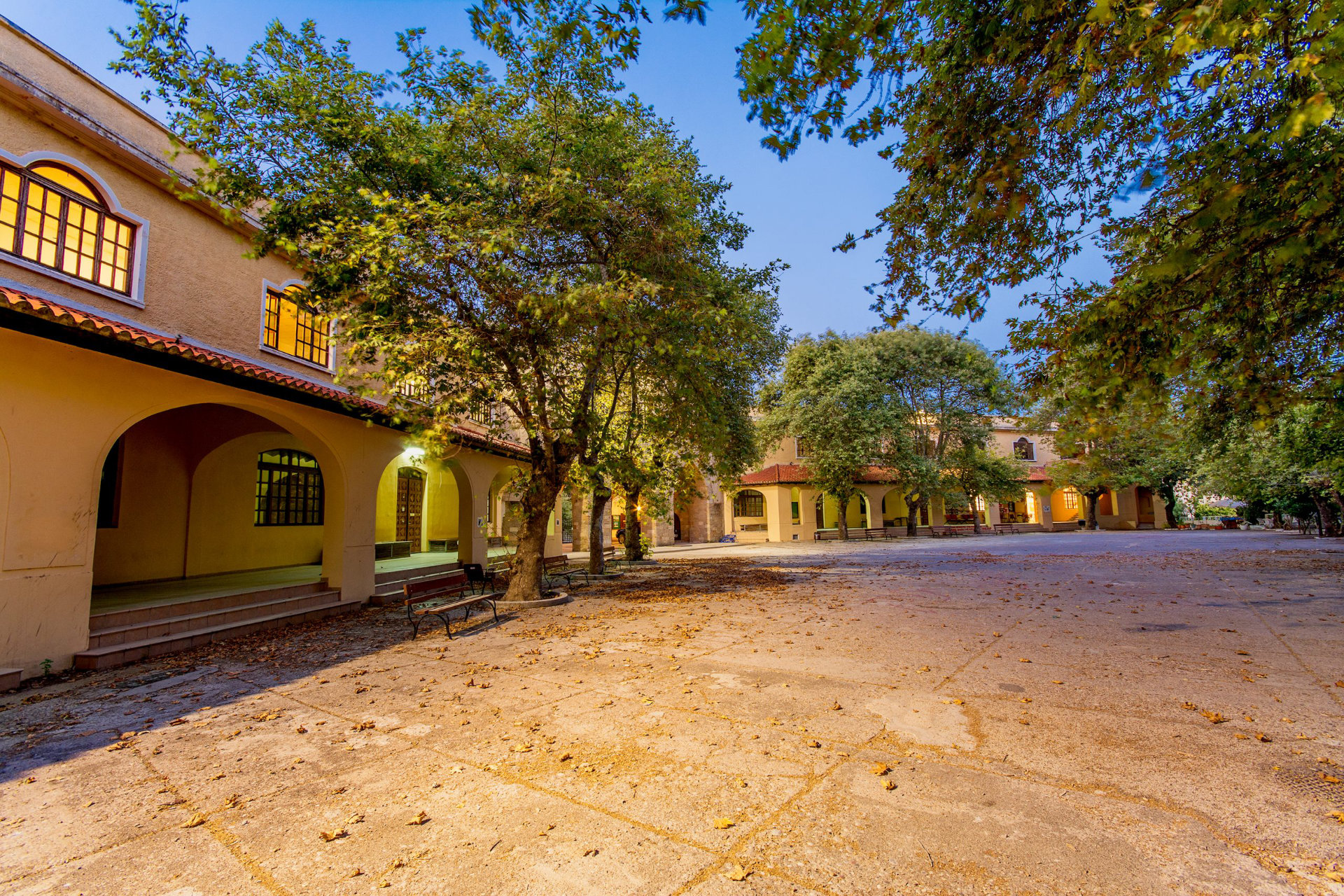
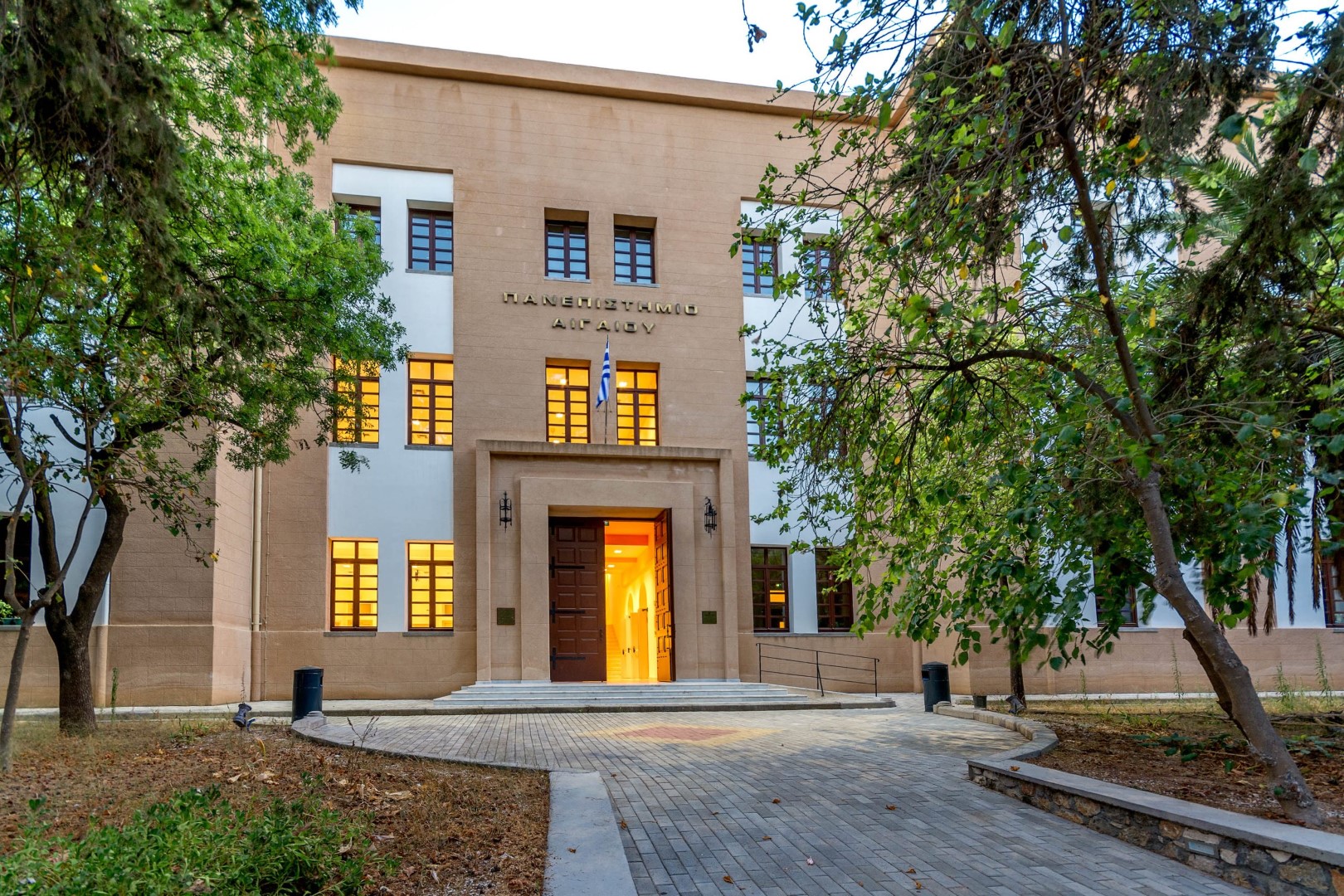
Building upon these perspectives and possibilities, the in-person Biennale Arts & Edges 2027 will take place in Mytilene, the administrative seat of the University of the Aegean on the island of Lesvos. Situated at the crossroads of multiple histories, mobilities, and cultural paths, Lesvos offers a privileged environment for exploring the questions raised by Arts & Edges and for testing new ways of dwelling, interpreting, and responding to the challenges emerging at the various edges of contemporary life. Insularity constitutes a distinctive embodiment of the notion of the edge: a geographical, historical, cultural, and symbolic condition that simultaneously marks separation and connection, limit and openness, belonging and transition.
More fundamentally, the Biennale is forged by an attentiveness to the vulnerabilities that shape our societies and possesses the capacity to evolve into a common: a shared horizon that is not owned by any single institution, discipline, or community, but remains open, available, and continuously reactivated through the participation of those who inhabit it.
Professor Elena Theodoropoulou
Chair of the ERUA Biennale Arts & Edges