Indicative Scientific Agenda - Topics for Discussion
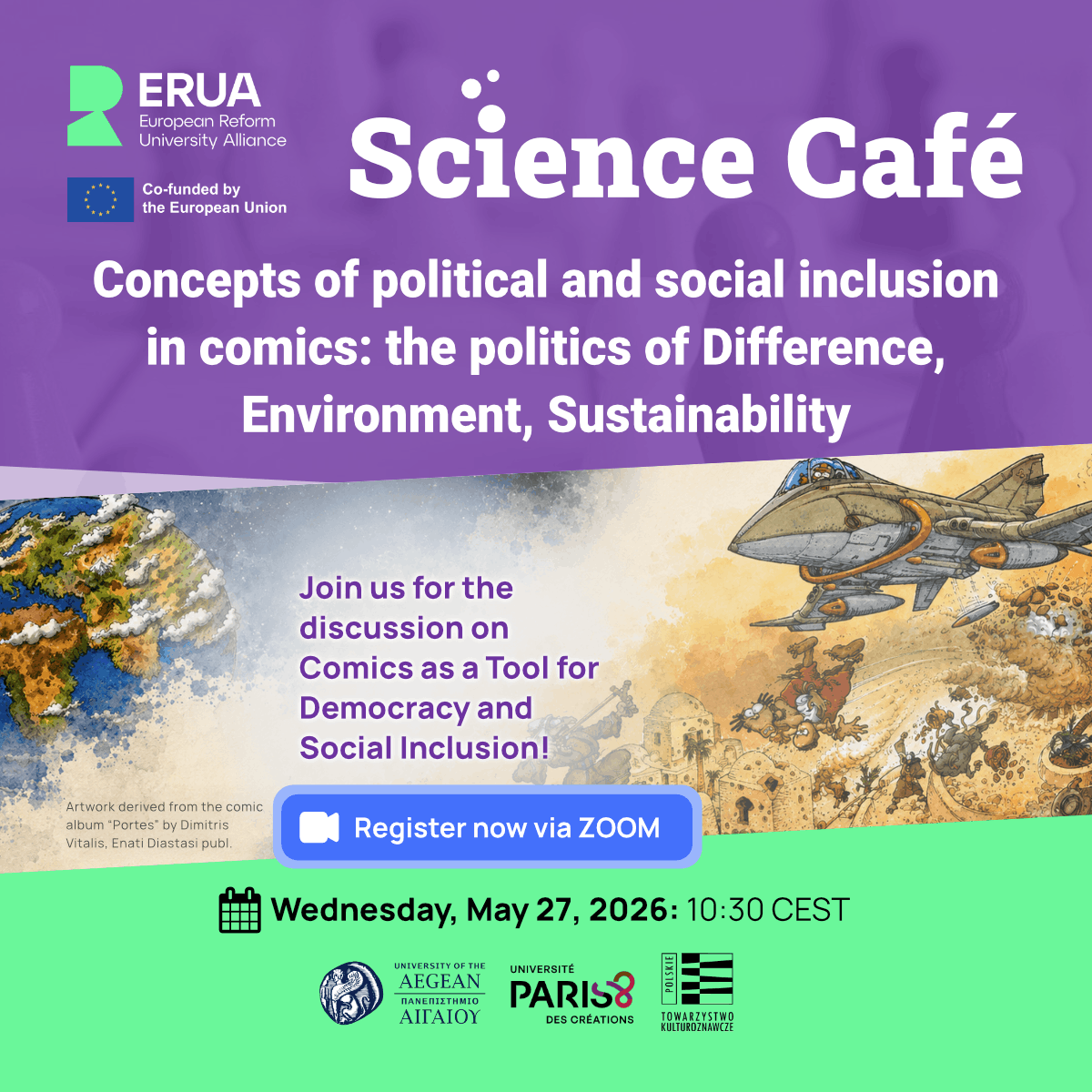
Koncepcje politycznej i społecznej inkluzji w komiksach: polityka Różnicy, Środowiska i Zrównoważonego Rozwoju
Data/Godzina: Środa, 27 maja 2026
10:30–12:30 (CEST) / 09:30–11:30 (WEST) / 11:30–13:30 (EEST)
Format: wydarzenie hybrydowe (stacjonarne + online), z sesją pytań i odpowiedzi oraz dyskusją. Każda prezentacja: 12 minut.
Komiksy i narracje graficzne ewoluowały daleko poza swoje popularne korzenie, stając się potężnymi narzędziami krytycznej analizy, komentarza społecznego i edukacji obywatelskiej. Od reportaży wojennych Joe Sacco po wspomnienia Marjane Satrapi o rewolucji irańskiej, od Maus Arta Spiegelmana po współczesne feministyczne i queer powieści graficzne, sztuka sekwencyjna wielokrotnie udowadniała zdolność do podejmowania najbardziej palnych kwestii życia demokratycznego: autorytaryzmu, przesiedleń, przemocy ze względu na płeć, pamięci i granic praw człowieka.
Jednak medium to pozostaje słabo reprezentowane w większości europejskich programów nauczania. Menedżerowie kultury i administratorzy branży kreatywnej rzadko są szkoleni w zakresie promowania komiksu jako części praktyki artystycznej i naukowej. Podobnie istnieje luka w szkolnictwie wyższym związanym z komiksami i ich włączeniem do dyscyplin artystycznych i kultury cyfrowej. Jednocześnie rośnie tendencja do włączania komiksów i nowych sztuk medialnych do codziennej komunikacji jako pojazdu twórczej ekspresji kwestii politycznych związanych ze sprawiedliwością społeczną i zrównoważonym rozwojem.
Ta sesja Science Café jest częścią warsztatu “Komiks jako narzędzie demokracji i inkluzji społecznej” (ERUA WP5 Social Engagement Event), organizowanego przez Wydział Technologii Kulturowej i Komunikacji, Uniwersytet Egejski (Mitylena, Lesbos), we współpracy z Université Paris 8 i Krakowskim Oddziałem Polskiego Stowarzyszenia Kulturoznawczego.
Prelegenci – Panelisty:
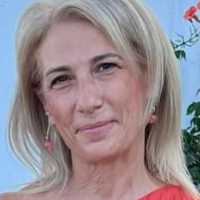
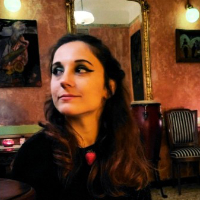
- Anne Chassagnol, Maîtresse de conférences, UR TransCrit, Département d’Études des Pays Anglophones, Université Paris 8 (UP8)
- High School Politics and Political Insight: Esther’s Notebook (2015–2023) by Riad Sattouf, A Parisian Girl’s View of Daily LifeAbstract
The French current affairs magazine L’Obs is famous for dedicating a weekly page to comic strips. For many years, this slot was filled by Claire Bretécher’s iconic character, Agrippine (1988–2009), a Parisian teenager navigating the trials of adolescence. In 2015, Riad Sattouf, the author of the graphic memoir The Arab of the Future (2015–2019) — who had already extensively explored the theme of childhood in his graphic and cinematic works — began documenting the daily life of Esther, from her first year of middle school to her final year of high school. Each week, this schoolgirl, enrolled in a prestigious Parisian school, offered a sharp critique of the elite to which she did not belong.
In this coming-of-age comic, Sattouf captures the idiosyncratic gestures and idioms of a generation of French adolescents, while also depicting how Esther awakens politically, commenting on major events such as terrorist attacks, presidential elections, or the rise of the far right in France. This presentation aims to demonstrate how, with great wit, this character blurred the boundaries between reality and fiction, the local and the national, the intimate and the political, navigating from childhood to adulthood, and eventually turning the school grounds and her school years into a laboratory for civic and political consciousness.
- High School Politics and Political Insight: Esther’s Notebook (2015–2023) by Riad Sattouf, A Parisian Girl’s View of Daily Life
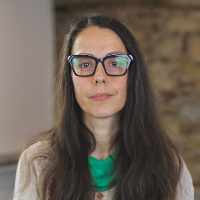
- Laura Odasso, Maîtresse de conférences, UFR SEPF – Département de sciences de l’éducation, LIAgE – Laboratoire Interculturalités, Apprentissages, marGes, Expériences, Université Paris 8 (UP8)
- Projet RIM – Redrawing Migration Routes: Arab Comics Days and Contemporary Mediterranean Im-mobilityAbstract
Over the past decade, comics and graphic novels have emerged as important research objects and scientific-pedagogical tools. At the intersection of artistic expression, social engagement, and science-society dialogue, comics provide an accessible and compelling medium for addressing complex and sometimes sensitive social issues. Through the interplay of images, text, colours, and visual composition, they encourage both emotional engagement and critical reflection. Within academia, comics have increasingly been used to disseminate research, support teaching, and communicate complex theoretical ideas in accessible ways, while also becoming a growing field of interdisciplinary inquiry. Drawing on these developments, I am currently organising a two-week series of “diffuse” events exploring how mobility and migration are experienced and represented in contemporary Mediterranean societies (Projet RIM – Redrawing Migration Routes: Arab Comics Days and Contemporary Mediterranean Im-mobility – partner University of Sousse and Institut des Beaux-Arts de Sousse). Combining documentary approaches, an exhibition, with personal testimonies, the project examines how individual and collective experiences are translated into graphic narratives. It contributes to ongoing scholarly debates on the use of comics to explore and understand contemporary social phenomena, while also analysing how personal, professional, and societal experiences shape the linguistic, thematic, and artistic choices of comic authors and the circulation of their works. Particular attention is given to the experiences of students at Université Paris 8 and to the territory of Seine-Saint-Denis thanks to ad hoc workshops held by artists where students attempt to illustrate some excerpts of their current research and learning experiences. More broadly, the project seeks to reconnect process to creative practice, research, and migration-related experiences and learning processes, opening the way for further international and interdisciplinary collaborative work on comics, illustration, and sound-based research methods.
- Projet RIM – Redrawing Migration Routes: Arab Comics Days and Contemporary Mediterranean Im-mobility
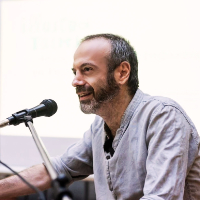
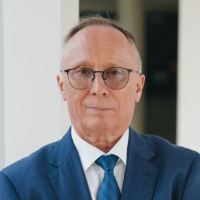
- Szymon Makuch, AGH University of Krakow; Vice-president, Association of Pop Culture Researchers and Pop Culture Education “Trickster”
- The borders of freedom of speech – legal conflicts around censorship in comic booksAbstract
History of the comic book industry is full of legal conflicts — some of them are typical copyright issues (like illegal adaptations, using trademark without permission etc.), but some of them started big discussions between the copyright idea of fair use (especially in parodies) and freedom of speech (when the work was more politically or socially involved). The main purpose of this presentation is to analyse examples of such conflicts (like the famous Walt Disney Productions v. Air Pirates etc.) and try to find out how big was their role in the evolution of artistic freedom of speech.
- The borders of freedom of speech – legal conflicts around censorship in comic books
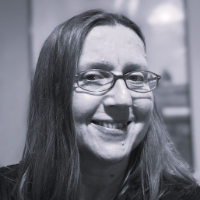
- Myrto Tselenti, MBA, Project Manager, Greek Film Centre – Hellenic Film Commission team
- Beyond (Japanese) Traditions: Inclusion in Contemporary MangaAbstract
Although Japanese society is often characterized by conservatism, manga today are among the most inclusive forms of comics. From protagonists with disabilities to heroes of every kind of religion and sexual orientation, Japanese comics present an unusual breadth of diversity and inclusion that goes beyond stereotypes, traditions, and established social expectations. Through specific examples, the unique traits that make manga heroes distinctive, just like each one of us, are brought to light.
- Beyond (Japanese) Traditions: Inclusion in Contemporary Manga
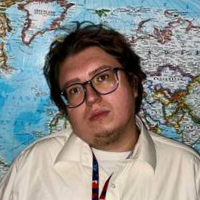
- Soloup (Antonis Nikolopoulos), PhD, Comics and Graphic Novels Creator
- Immigrant Politics and Social Inclusion. The Case of BabelAbstract
Migration is usually associated with the search for better working conditions, especially when it involves moving to other countries with different economic, cultural, religious, and political frameworks. Such a massive — and to a large extent forced by circumstances — displacement brings dramatic changes to people’s lives, while simultaneously requiring the formation of a new identity. It also demands the creation of a new condition of adaptation, in which people must establish new foundations for a dignified survival, such as national and religious community, family, and friendships.
This profound need for dignified survival is the subject explored in the graphic novel BABEL, which focuses on the many small stories of coal miners in Belgium during the 1960s, 1970s, and 1980s. Despite the harsh working conditions and the existence of significant cultural differences, some managed to attain a sense of dignity in life through mutual understanding, solidarity, and friendship.
In essence, it is a story that explores the possibilities of a “utopian” (?) Reverse Babel.
- Immigrant Politics and Social Inclusion. The Case of Babel
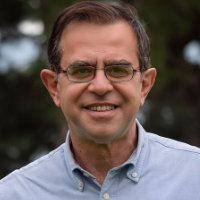
- Yiannis Koukoulas, Assistant Professor, University of the Aegean, Department of Preschool Education and Educational Design
- “We are the Others”: Reading Images and Healing TraumasAbstract
Aleksandar Zograf’s cry “We are the others”, which demonstrates the community of problems and the required empathy, the absence of which was painful during the war in the former Yugoslavia, is unconsciously the cry of many comic book creators. By creating stories about their traumas and the traumas of their readers, they attempt to heal them and overcome the pain of war, illness, refugees, abandonment. This paper attempts to record some such comics that contribute to the understanding of situations and the acceptance of people who experience tragedies with the aim of healing the wounds. Of what happened and what will happen.
- “We are the Others”: Reading Images and Healing Traumas
- Marianna Misiou, Assistant Professor, University of the Aegean, Department of Preschool Education and Educational Design
- Comics and Inclusion at School: The Case of The Arrival by Shaun TanAbstract
In this presentation, inclusion is approached as a process of increasing participation and reducing exclusion from the cultures and communities of the school. It will be examined how Shaun Tan’s silent comics The Arrival can be used, through appropriate pedagogical mediation, to approach inclusion, by focusing on scenes of exclusion, acceptance, solidarity, and social participation. The absence of verbal text facilitates students’ participation through observation, description, hypothesis-making, and the exchange of interpretations. The presentation also proposes the use of selected “thinking routines” developed within Harvard’s Project Zero as ways of organizing literary discussion.
- Comics and Inclusion at School: The Case of The Arrival by Shaun Tan
- Lida Tsene, PhD, Teaching Associate, NUA; Founder, Athens Comics Library
- Comics and Stories as a platform for healing, empowerment and community engagement: The Case of Athens Comics LibraryAbstract
This presentation explores how comics and storytelling can function as tools for healing, empowerment, and community engagement, through the case of Athens Comics Library. Drawing on participatory programmes with diverse communities, it highlights how visual narratives foster expression, build resilience, and create inclusive spaces for dialogue, learning, and social connection.
- Comics and Stories as a platform for healing, empowerment and community engagement: The Case of Athens Comics Library
- Ilias Katirtzigianoglou, Comicdom CON Athens Co-organizer, comics author and publisher
- LGBTQ ComicsAbstract
Queer comics provide vital, unapologetic representation across every genre. Monumental international works like Alison Bechdel’s “Fun Home: A Family Tragicomic” and Howard Cruse’s “Stuck Rubber Baby”, alongside contemporary Greek graphic novels like Steve Stivaktis’ “Gerard: or, the Sword in his Back” and Harry Saxon’s “Telemachus and the Fleece”, powerfully illustrate the medium’s capacity to articulate complex, deeply personal narratives of identity, resilience, and self-discovery.
- LGBTQ Comics
Przewodniczący – Moderatorzy:
- Evi Sampanikou, Professor, Department of Cultural Technology and Communication, University of the Aegean (UAEGEAN)
- Nikoletta Gourgouli, PhD Student, Department of Cultural Technology and Communication, University of the Aegean (UAEGEAN)
Dowiedz się więcej o naszych prelegentach
Kto może uczestniczyć?
- ERUA & partnerzy stowarzyszeni
- Naukowcy i studenci kierunków kulturoznawczych, medialnych, politologicznych, pedagogicznych i artystycznych
- Twórcy komiksów, kuratorzy, organizatorzy festiwali i entuzjaści
- Organizacje pozarządowe i społeczeństwo obywatelskie działające na rzecz inkluzji, demokracji i zrównoważonego rozwoju
- Członkowie społeczności zainteresowani kulturą wizualną, sprawiedliwością społeczną i środowiskiem
Słowa kluczowe: Komiksy, Inkluzja polityczna, Inkluzja społeczna, Polityka różnicy, Środowisko, Zrównoważony rozwój, Kulturoznawstwo, Narracja wizualna, Sprawiedliwość społeczna
 Związek z SDG10:
Zmniejszanie nierówności, Inkluzja społeczna, Polityka różnicy, Równe szanse, Niedyskryminacja, Różnorodność kulturowa Związek z SDG13:
Działania na rzecz klimatu, Zrównoważoność środowiskowa, Świadomość ekologiczna, Odporność społeczności, Sprawiedliwość środowiskowa Związek z SDG16:
Pokój, sprawiedliwość i silne instytucje, Demokracja partycypacyjna, Zaangażowanie obywatelskie, Inkluzja polityczna, Prawa człowieka
Zapárz sobie kawę, zrelaksuj się i delektuj wykładem! Wszyscy są mile widziani.
Później można obejrzeć wydarzenie na YouTube (Wydarzenie zostanie nagrane, umożliwiając dostęp do treści każdemu zainteresowanemu w dowolnym momencie)
Data/Godzina: Środa, 27 maja 2026
10:30–12:30 (CEST) / 09:30–11:30 (WEST) / 11:30–13:30 (EEST)
Czy chcesz wziąć udział w tym wydarzeniu?
Demokracja i prawa człowieka: ochrona wolności i godności w życiu codziennym
Data/Godzina: Wtorek, 10 marca 2026 r.
13:00 (CET/Polska) / 12:00 (WET) / 14:00 (EET)
Format: wydarzenie online, a następnie pytania i odpowiedzi oraz dyskusja. (Tłumaczenie maszynowe)
Science Café oferuje konstruktywną przestrzeń do dyskusji o tym, jak demokracja i prawa człowieka nadal odgrywają kluczową rolę w kształtowaniu naszych społeczeństw. Dyskusja podkreśli uczestnictwo obywatelskie, praworządność i inicjatywy społeczne promujące włączenie i sprawiedliwość społeczną. Koncentrując się na udanych praktykach i wspólnej odpowiedzialności, wydarzenie zachęci uczestników do refleksji nad tym, jak wartości chroniące godność człowieka mogą być wzmacniane w życiu codziennym i przyczyniać się do bardziej odpornych i pełnych szacunku społeczności.

Osoby występujące:
- Irene Angelina Giménez Hernández, Faculty of Law, University of Las Palmas de Gran Canaria (ULPGC)
- Laura Bannan-Fischer, Institute for Conflict Management, European University Viadrina (EUV)
PresentationYou can view or download the presentation file
- Prof. dr. Algis Krupavicius, Institute of Management and Political Science, Mykolas Romeris University (MRU)
PresentationYou can view or download the presentation file
- Artur Koldomasov, PhD candidate in Political Science and Media, SWPS University
PresentationYou can view or download the presentation file
Osoba moderująca:
- Dr. Nomeda Gudelienė, Advisor to Deputy Rector on Sustainable Development, Mykolas Romeris University (MRU)
Dowiedz się więcej o naszych gościach
Słowa kluczowe: Demokracja, Prawa człowieka, Uczestnictwo obywatelskie, Praworządność, Włączenie społeczne, Sprawiedliwość społeczna, Inicjatywy społeczne, Wspólna odpowiedzialność
- Związane z SDG16:
Pokój, sprawiedliwość i silne instytucje, praworządność, uczestnictwo w podejmowaniu decyzji, podstawowe wolności, prawa człowieka, demokratyczne rządy - Związane z SDG10:
Zmniejszenie nierówności, włączenie społeczne, prawa człowieka, sprawiedliwość społeczna, równe szanse, niedyskryminacja
Przygotuj filiżankę kawy, zrelaksuj się i ciesz się rozmową! Wszyscy są mile widziani.
Wydarzenie będzie można później obejrzeć za pośrednictwem serwisu YouTube (wydarzenie będzie nagrywane, dzięki czemu każda zainteresowana osoba będzie miała dostęp do treści w dowolnym momencie).
Data/Godzina: Wtorek, 10 marca 2026 r.
13:00 (CET/Polska) / 12:00 (WET) / 14:00 (EET)
Chcesz wziąć udział w tym wydarzeniu?
Wypełnij ankietę po wydarzeniu!
Bardzo cenimy Twoją opinię! Poświęć chwilę na wypełnienie naszej krótkiej ankiety, aby pomóc nam ulepszyć przyszłe wydarzenia

Student and Youth Engagement in Sustainability: Challenges and Solutions
Data/Godzina: Czwartek, 18 września 2025 r.
15:00 (CET/Polska) / 14:00 (WET) / 16:00 (EET)
Format: wydarzenie online, a następnie pytania i odpowiedzi oraz dyskusja.
By fostering critical thinking, creativity, and intercultural dialogue, Science Cafés aim to raise awareness and encourage collaborative action toward sustainable lifestyles and social justice—whether on campuses, in neighborhoods, communities, societies, or entire regions. It is vital to continually update and expand our knowledge of the pressing challenges of climate change, biodiversity loss, and social justice, while also finding innovative ways to embed sustainability into education and everyday practice. Many universities and communities emphasize sustainability in their strategic visions, yet often fall short when it comes to accelerating youth engagement, developing green skills, advancing cultural intelligence and inclusion, and supporting well-being and mental health. Science Cafés are designed to address these gaps, connecting international efforts to co-create climate-resilient and just societies.
Osoby występujące:
- Isabel Toman, Senior Programme Officer for Sustainable Development at the International Association of Universities (ERUA associated partner)
- Student and Youth Engagement in Sustainability – a task for the whole institution
PresentationYou can view or download the presentation file - Ieva Budraitė, Director Green Policy Institute (Lithuania, ERUA associated partner)
- Kinga Sawera, Center for Climate Action and Social Transformation, SWPS University
- Student Engagement in Sustainability at SWPS University
PresentationYou can view or download the presentation file - Vangelis Zaftis, PhD Student, ERUA Blue Commission
- Student and Youth Engagement in Sustainability
PresentationYou can view or download the presentation file - Professor Nikolaos Zouros, Director Natural History Museum of the Lesvos Petrified Forest (Greece, ERUA associated partner)
Osoba moderująca:
- Dr. Nomeda Gudelienė, Advisor to Deputy Rector on Sustainable Development, Mykolas Romeris University (MRU)
Dowiedz się więcej o naszych gościach
Dlaczego warto wziąć udział?
This event offers opportunities for personal growth and learning, building connections with ERUA peers, and forming international, cross-disciplinary partnerships. It provides a platform to contribute ideas and projects that generate real-world impact—supporting long-term transformation for the future that todays youth will inherit. Dont miss the chance to learn, connect, contribute, and lead meaningful change.
Kogo zapraszamy do udziału?
- Researchers & students
- ERUA & Associated partners
- Local government representatives
- Business and industry leaders
- NGOs and civil society
- Regional stakeholders
Keywords: Youth Engagement, Sustainability Education, Green Skills, Climate Resilience, Social Justice, Cultural Intelligence
 Related to SDG4:
Quality Education, Youth Development, Skills Development, Lifelong Learning, Educational Innovation- Related to SDG13:
Environmental Transition, Climate Literacy, Mitigation and Adaptation, Community Resilience, Climate Justice, Collective Action
Przygotuj filiżankę kawy, zrelaksuj się i ciesz się rozmową! Wszyscy są mile widziani.
Wydarzenie będzie można później obejrzeć za pośrednictwem serwisu YouTube (wydarzenie będzie nagrywane, dzięki czemu każda zainteresowana osoba będzie miała dostęp do treści w dowolnym momencie).
Wypełnij ankietę po wydarzeniu!
Bardzo cenimy Twoją opinię! Poświęć chwilę na wypełnienie naszej krótkiej ankiety, aby pomóc nam ulepszyć przyszłe wydarzenia
Data/Godzina: Czwartek, 18 września 2025 r.
15:00 (CET/Polska) / 14:00 (WET) / 16:00 (EET)
Chcesz wziąć udział w tym wydarzeniu?
Wspólne badania na rzecz zrównoważonego rozwoju
Data/Godzina: Poniedziałek, 10 marca 2025 r.
13:00 (CET/Polska) / 12:00 (WET) / 14:00 (EET)
Format: wydarzenie online, a następnie pytania i odpowiedzi oraz dyskusja.
Społeczność ERUA zaprasza badaczy i badawczki, decydentów i decydentki, lokalne stworzyszenia oraz liderów i liderki społeczności do udziału w partnerskim dialogu na rzecz zrównoważonego rozwoju w wielu regionach. To wydarzenie ma na celu zniwelowanie luki między badaniami naukowymi a potrzebami społecznymi poprzez wspieranie współpracy między badaczami i społecznościami regionalnymi. Naszym celem jest zebranie perspektyw lokalnych interesariuszy dotyczących potrzeb w zakresie zrównoważonego rozwoju w ich regionach oraz określenie priorytetowych obszarów dla przyszłych inicjatyw badawczych w ramach ERUA Science Shop.

Osoby występujące:
- Ioannis Katsounis, University of the Aegean, Dr and Researcher
- Insights into regional progress on the Sustainable Development Goals (SDGs) by presenting key research findings on relevant indicators studied by ERUA
PresentationYou can view or download the presentation file - Dr. Vilma Popovienė, Lithuanian Social Innovation Cluster, Managing Director
- The Role of Social Innovations in Lithuania Societal Development.
PresentationYou can view or download the presentation file - Dr. Jolanta Bieliauskaitė, MRU Head of ERUA Strategic Partnership
- Introduce participatory research tools such as ERUA research clusters to engage stakeholders in co-creating solutions.
PresentationYou can view or download the presentation file - George Strogylopoulos, Innovation Policy Expert
- Pressing environmental sustainability challenges and potential solutions tailored to diverse regional contexts identified by ERUA.
- Ruby van der Wekken, RIPESS
- Solidarity Economy Building / RIPESS – The intercontinental network for the promotion of social solidarity economy, its members, values, and actions.
PresentationYou can view or download the presentation file
Osoba moderująca:
- Dr. Nomeda Gudelienė, Advisor to Deputy Rector on Sustainable Development, Mykolas Romeris University (MRU)
Dowiedz się więcej o naszych gościach
Dlaczego warto wziąć udział?
To wydarzenie jest platformą edukacyjną, w ramach której uczestnicy mają możliwość nauki nowych obszarów od zespołów ERUA i równocześnie wpływać na kształt przyszłego programu badawczego sojuszu, zapewniając, że kluczowe regionalne wyzwania związane ze zrównoważonym rozwojem są podejmowane wraz z możliwymi do wdrożenia rozwiązaniami. Podczas dyskusji osoby uczestniczace mogą wymieniać się pomysłami wspólnie z osobami ze świata nauki, decydentami i deydentkami, lokalnymi podmiotami oraz liderami i liderkami społeczności lokalnych, aby wspólnie opracowywać innowacyjne koncepcje odpowiadające na pilne problemy środowiskowe i społeczne. Zebrane spostrzeżenia wzbogacą przyszłe inicjatywy ERUA, wpływając na długoterminowe efekty i transformację regionalną.
Kogo zapraszamy do udziału?
- Partnerów ERUA
- Przedstawicieli i przedstawicieli administracji lokalnej
- Liderów i liderki biznesu i przemysłu
- Organizacje pozarządowe i społeczne
- Osoby studiujące
- Osoby zajmujące się badaniami i nauką
- Osoby należące do społeczności zainteresowanych zrównoważonym rozwojem
Keywords: Sustainable Development, Societal Development, Regional Communities, Sustainable Development Goals (Sdgs), Environmental Sustainability Challenges, Regional Development, Regional Indicators
 Related to SDG10:
Culture, Countries, Policy, Ethnicity, Society, Nations, Economic Inclusion, Equality, Human Rights, Reduce Inequalities, Social Inclusion, Social Support
Przygotuj filiżankę kawy, zrelaksuj się i ciesz się rozmową! Wszyscy są mile widziani.
Wydarzenie będzie można później obejrzeć za pośrednictwem serwisu YouTube (wydarzenie będzie nagrywane, dzięki czemu każda zainteresowana osoba będzie miała dostęp do treści w dowolnym momencie).
Wypełnij ankietę po wydarzeniu!
Bardzo cenimy Twoją opinię! Poświęć chwilę na wypełnienie naszej krótkiej ankiety, aby pomóc nam ulepszyć przyszłe wydarzenia
Data/Godzina: Poniedziałek, 10 marca 2025 r.
13:00 (CET/Polska) / 12:00 (WET) / 14:00 (EET)
Chcesz wziąć udział w tym wydarzeniu?
ERUA’s regional impact - The Role of Universities in Integrating Migrants into Local Communities
Format: online event, 5 minutes of experience sharing from each university (presentation - case study), followed by Q&A and discussion.

Please make a cup coffee, relax and enjoy the talk! Everyone is welcome.
Speakers:
- Prof. Anastasia Chourmouziadi, University of the Aegean, Director of the Museolab Laboratory of the Department of Cultural Technology and Communication
- Ms Konstantina Leivaditi, University of the Aegean, PhD Candidate, Ethnography Laboratory of the Department of Social Anthropology and History
PresentationYou can view or download the presentation file
- Susan Cranfield McKay, ULPGC, Lecturer, Faculty of Translation and Interpreting
PresentationYou can view or download the presentation file
- Dr. Marija Grujić, EUV, Faculty of Social and Cultural Sciences (Chair of Comparative Cultural and Social Anthropology)
- M.A. Somaiya Meer, EUV, PhD Candidate, Faculty of Social and Cultural Sciences (Chair of Language Use and Migration)
- M.A. Katarzyna Ksenicz, SWPS, Deputy Director of the Center of Communication and Customer Services
Moderator:
- Dr. Nomeda Gudelienė, MRU, Advisor to Deputy Rector on Sustainable Development, HR Management Centre
PresentationYou can view or download the presentation file
Key words: Sustainable development goals, sustainability, Aeiforia
 Related to SDG5:
Achieve gender equality and empower all women and girls, Empowering women, Female Entrepreneurship, Gender discrimination, Gender equality, Gender Equity Related to SDG10:
Reduce inequality within and among countries, Social Responsibility, Diversity, Culture, Human Rights, Migration Policies, Social Discrimination, Social Inclusion, Social Equality
You can watch below or click here (via YouTube) for the recording of the Event
Fill the Post-Event Survey!
We highly value your feedback! Please take a moment to complete our short survey to help us improve future events
Date/Time: Monday, September 30, 2024 | 15:00 (CEST) / 16:00 (EET/Athens time)
Interested in attending this session?
Dołącz do wydarzenia
Zarejestruj się przez Zoom
Śledź nas w mediach społecznościowych!
- ERUA UAegean Group on Facebook
- ERUA Alliance on Facebook
- ERUA Alliance on LinkedIn
- ERUA Alliance on Instagram
- Subscribe to the ERUA newsletter
hashtags: #ERUAScienceCafe
Uniwersytety partnerskie